Overview
At Great Bardfield, we believe that a strong foundation in English is the key to shaping well-rounded individuals. Our vision is to inspire lifelong readers and writers who can communicate effectively in variety of ways.
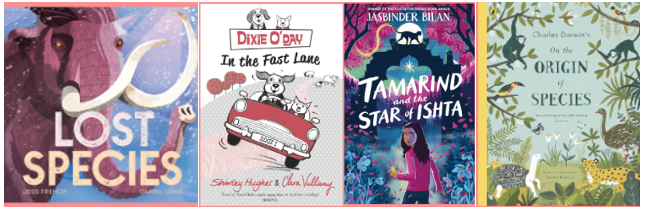
We use the Literacy Tree, a book-based programme that brings the National Curriculum to life through high-quality literature. Here are some of the books we use to inspire our writing:
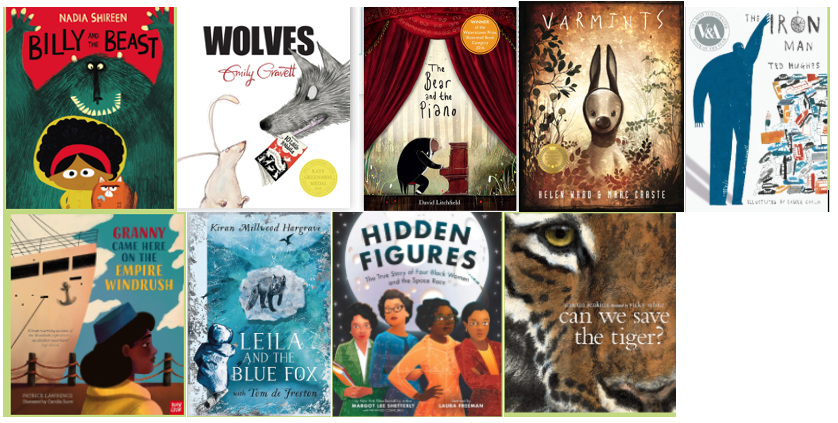
As part of our Writing Roots children engage in planned sequences based on specific books, writing for real audiences and purposes.
From Year 2 to Year 6, pupils develop critical reading and comprehension skills using novels, poetry and non-fiction as part of the Reading Leaves.
 Phonics & Early Reading
To give our youngest learners the best start, we use Bug Club Phonics, a systematic synthetic phonics programme.
- Reading Practice: Our print books are perfectly aligned with the phonics phases children are learning in class.
- Assessment: We regularly check progress through daily sessions, listening to readers, and the Year 1 Phonics Screening Check to ensure early intervention if needed.
- Supporting your children at home: All our Bug Club books are available in print (the ones we send home) and on Bug Club online. This means you can support your children by asking questions
Handwriting: A Functional Life Skill
We follow the National Handwriting Association (NHA) “Simple Modern” style. Our goal is for every child to develop a style that is legible, fluent, and automatic.
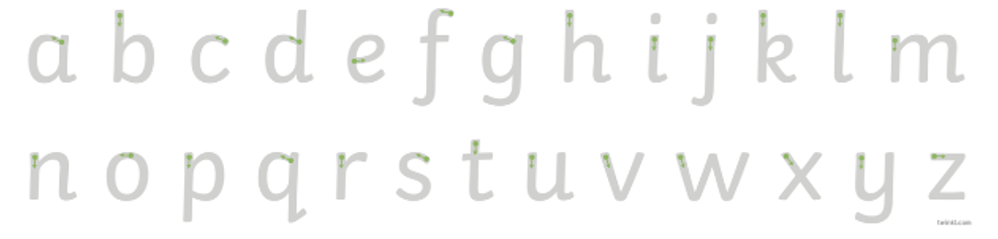
- Letter Families: Letters are taught in movement groups rather than alphabetically to help children internalize the shapes.
- Ladder Letters: l, i, t, j, u, y
- One armed Robots: m, n, r, b, p, h, k
- Curly caterpillars: c, a, d, o, q, g, e, f, s
- Zigzag: v, w, x, z
- Joined Writing: This is introduced in Key Stage 2 once letter formation is secure. We do not use lead-in strokes to keep shapes clear for young writers.
Lower case letter formation:
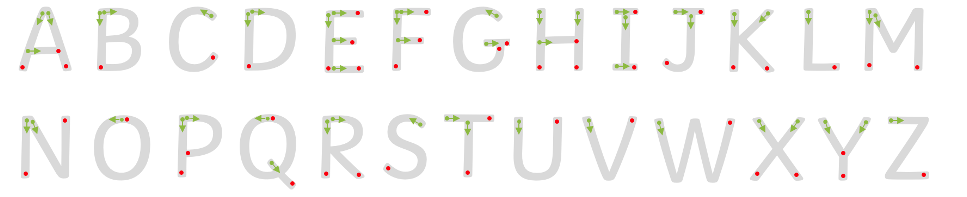
Capital letter formation:
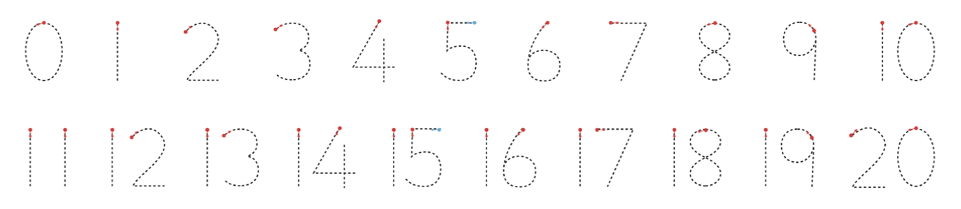
Number formation:
Progression in Writing
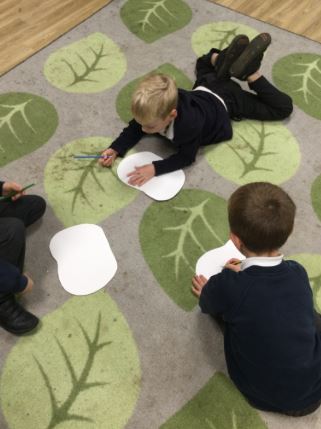
English Year R
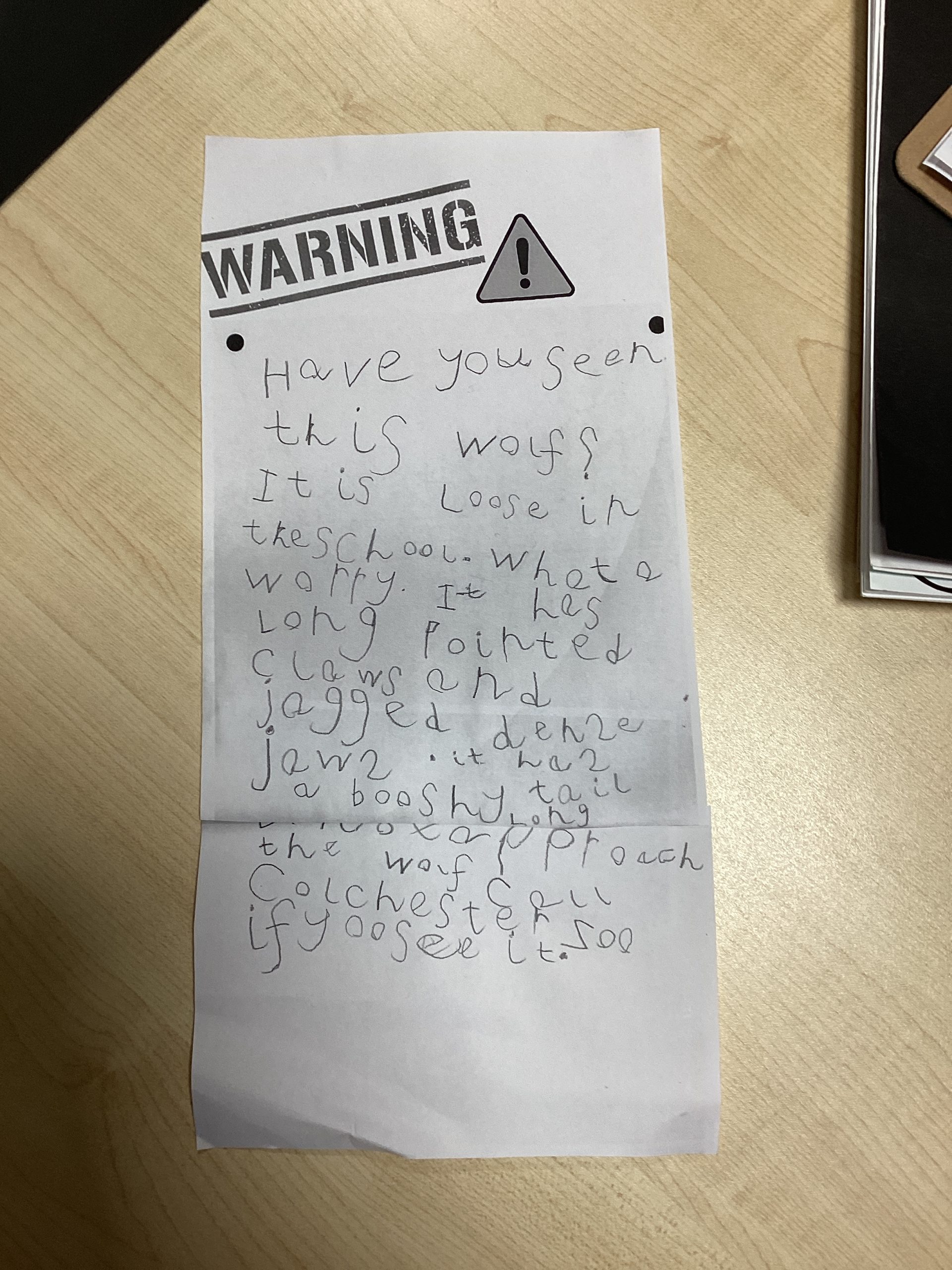
English Year 1
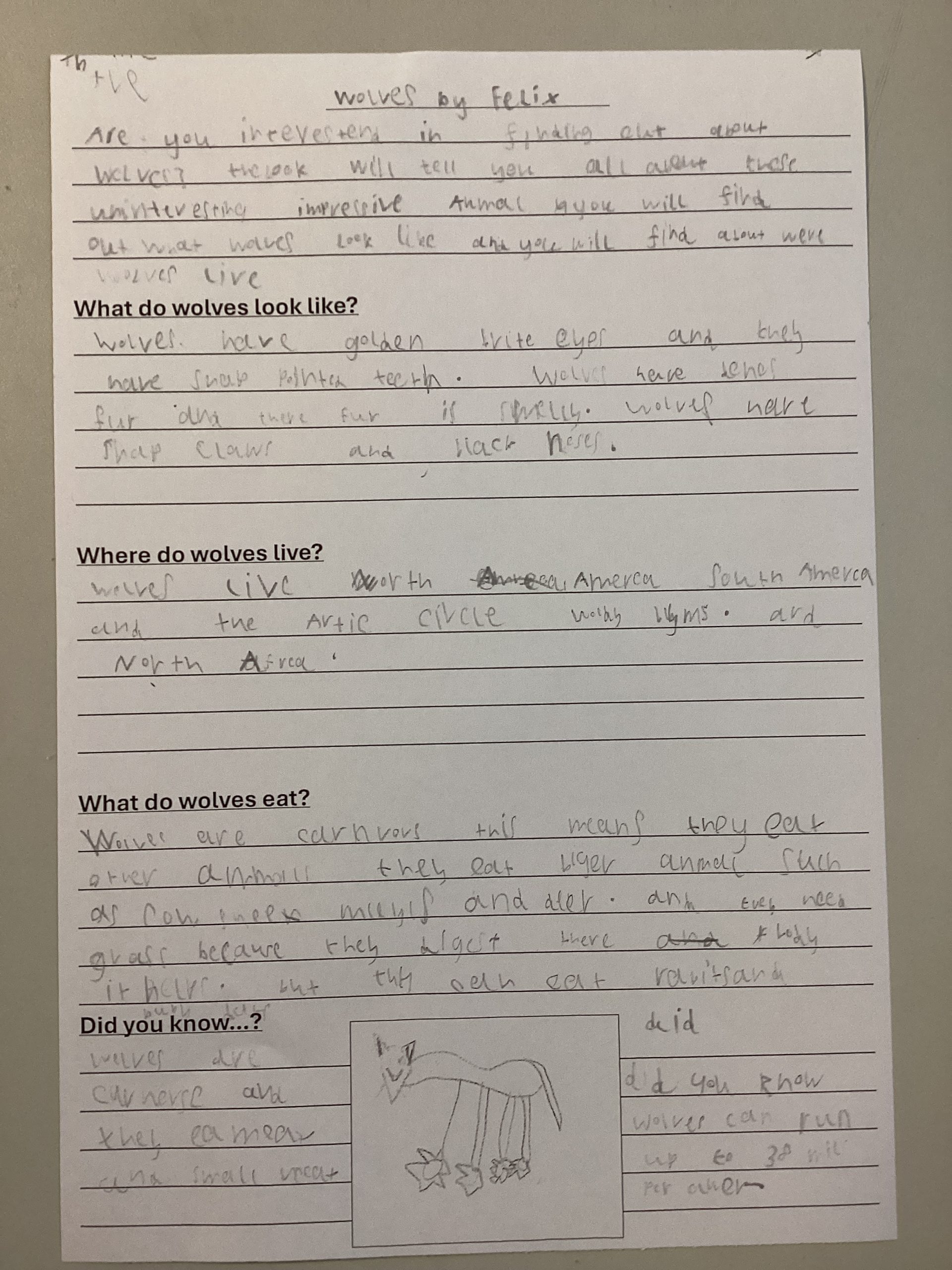
English Year 2
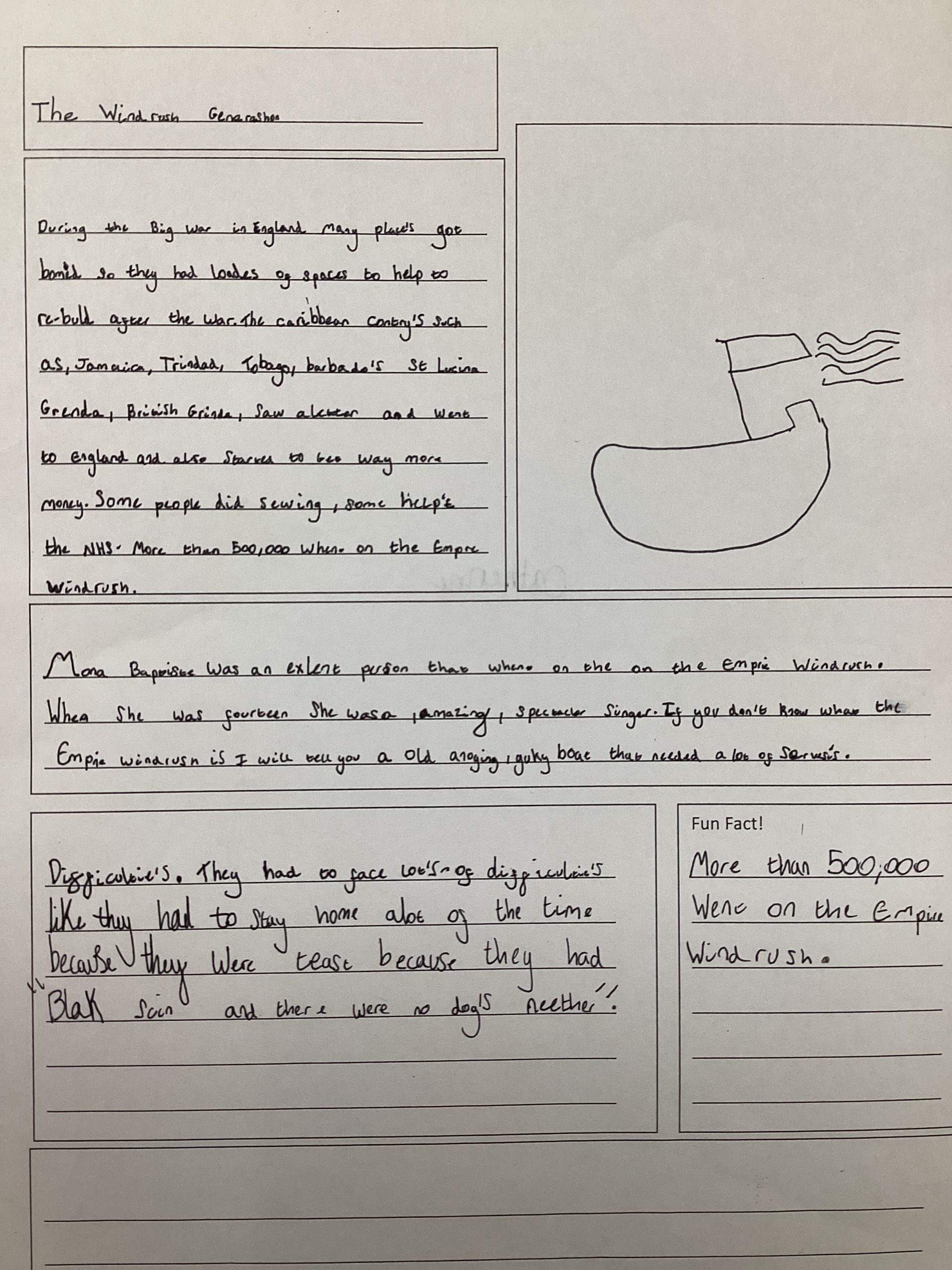
English Year 3
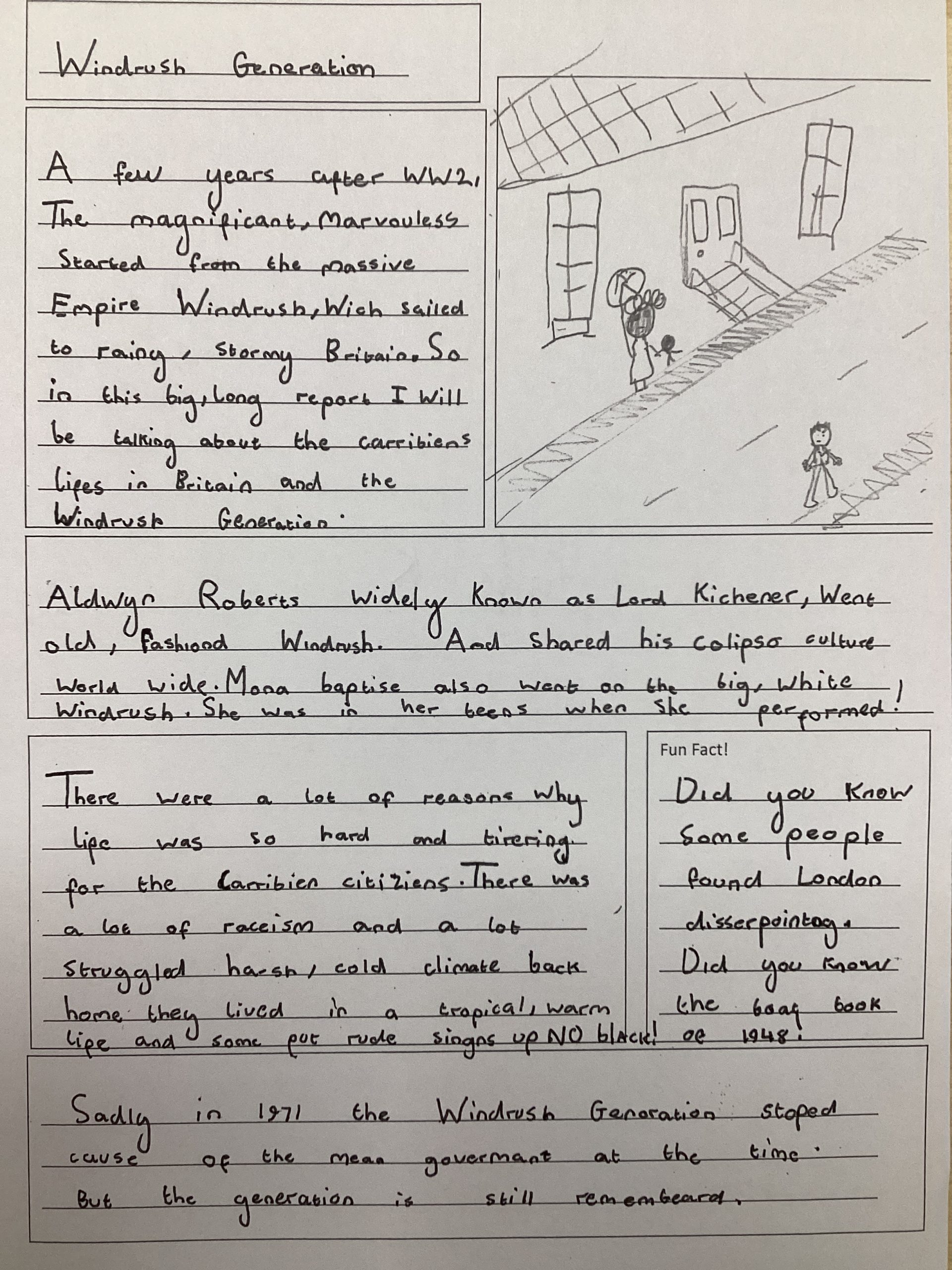
English Year 4
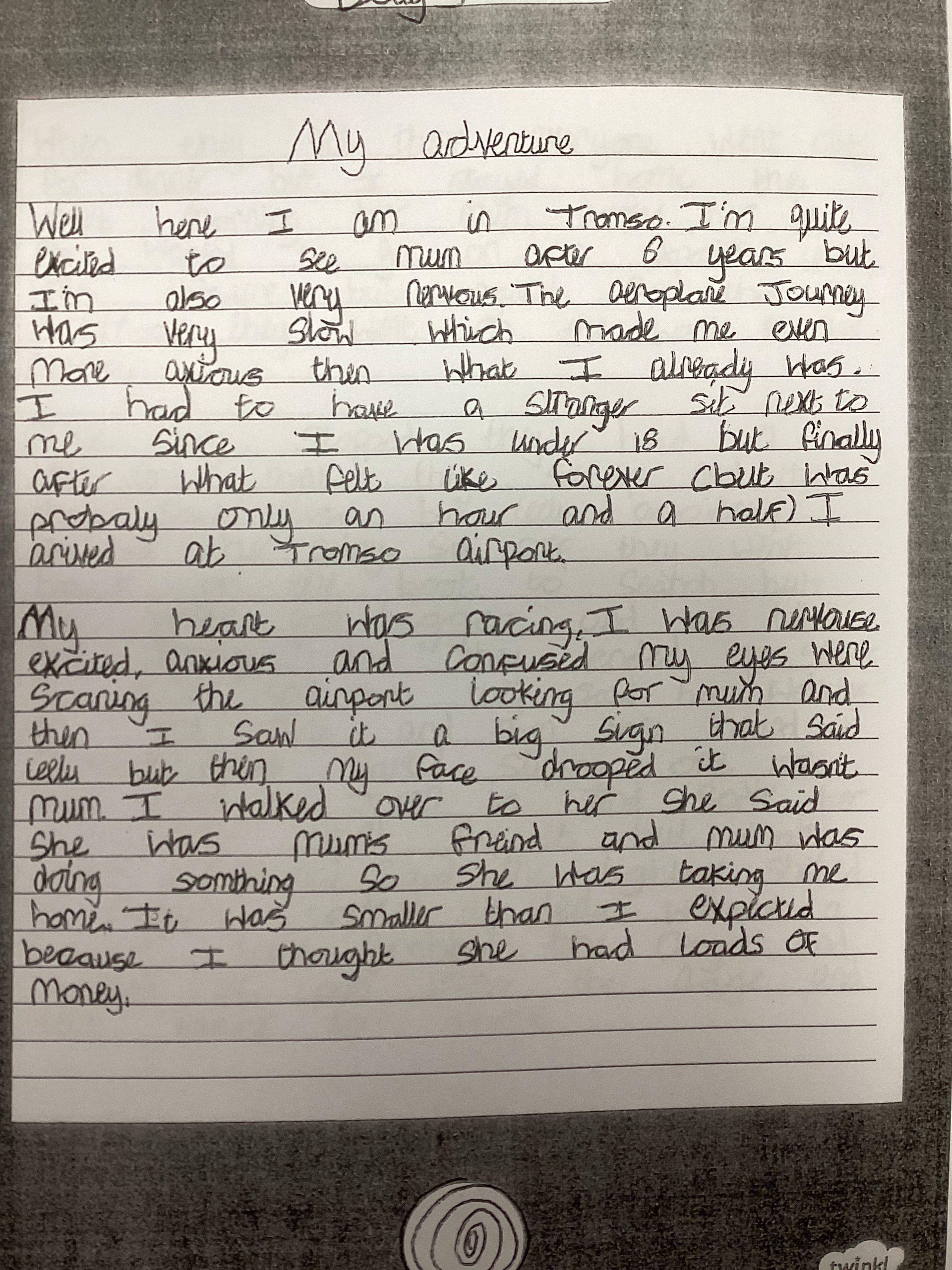
English Year 5