Overview
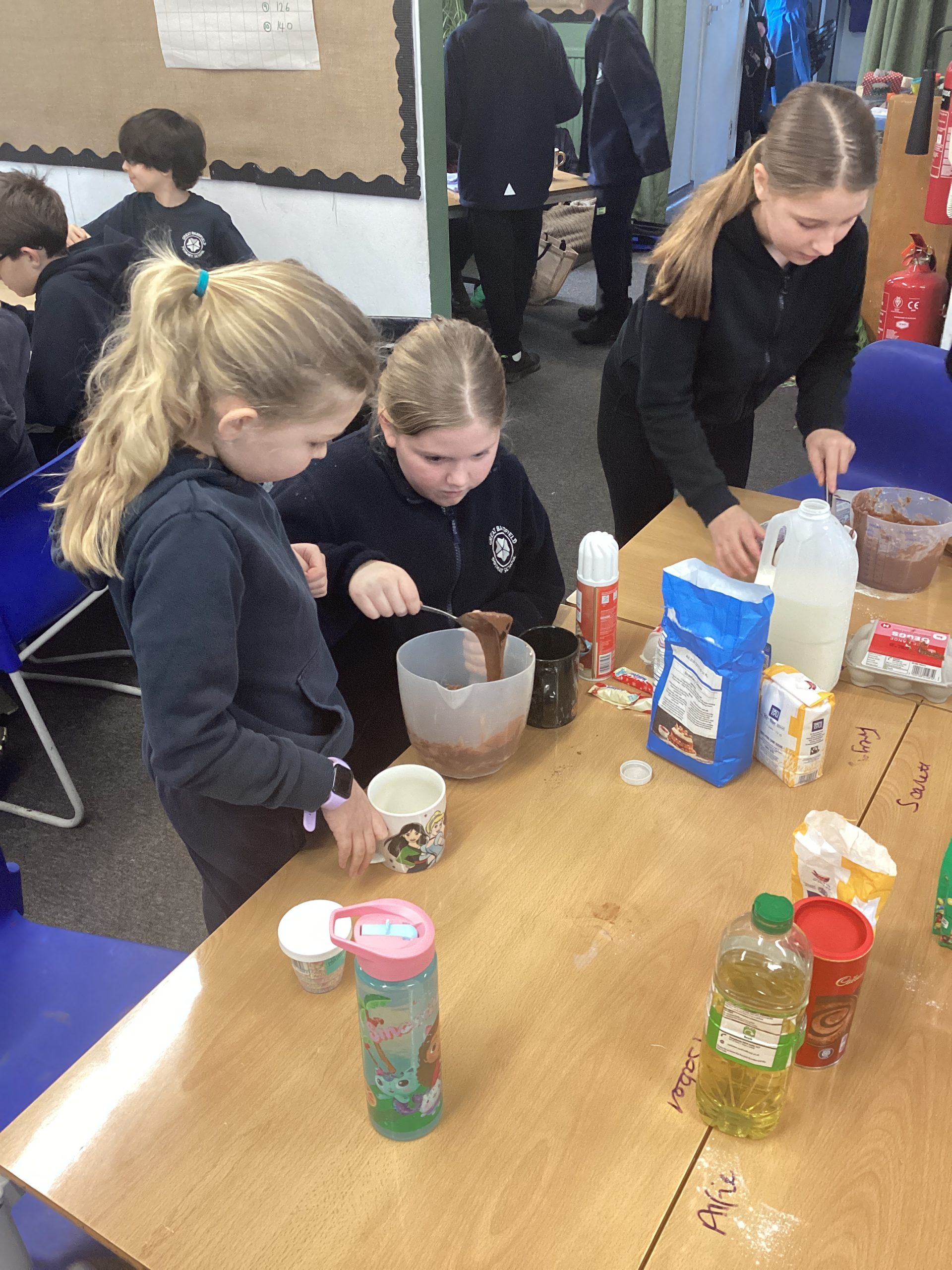
At Great Bardfield Primary School, our Design and Technology (DT) curriculum inspires children to think, plan and create like designers, architects and engineers. Pupils explore ideas, solve problems and bring designs to life, building confidence and practical skills through purposeful, hands-on learning in our mixed-age classes.
Curriculum and Progression
Our curriculum is carefully sequenced and adapted from the Learning Challenge Curriculum. Each unit begins with a big question, broken down into manageable steps to support understanding and long-term retention. Key knowledge and skills are clearly identified, and teaching is adapted so all children, including those with SEND or additional needs, can access the same rich learning experiences.
In the Early Years, children explore materials, tools and techniques safely, experimenting with form and function, sharing and explaining creations, and using materials imaginatively through play and storytelling. These foundations support a smooth transition into DT learning in Years 1 and 2.
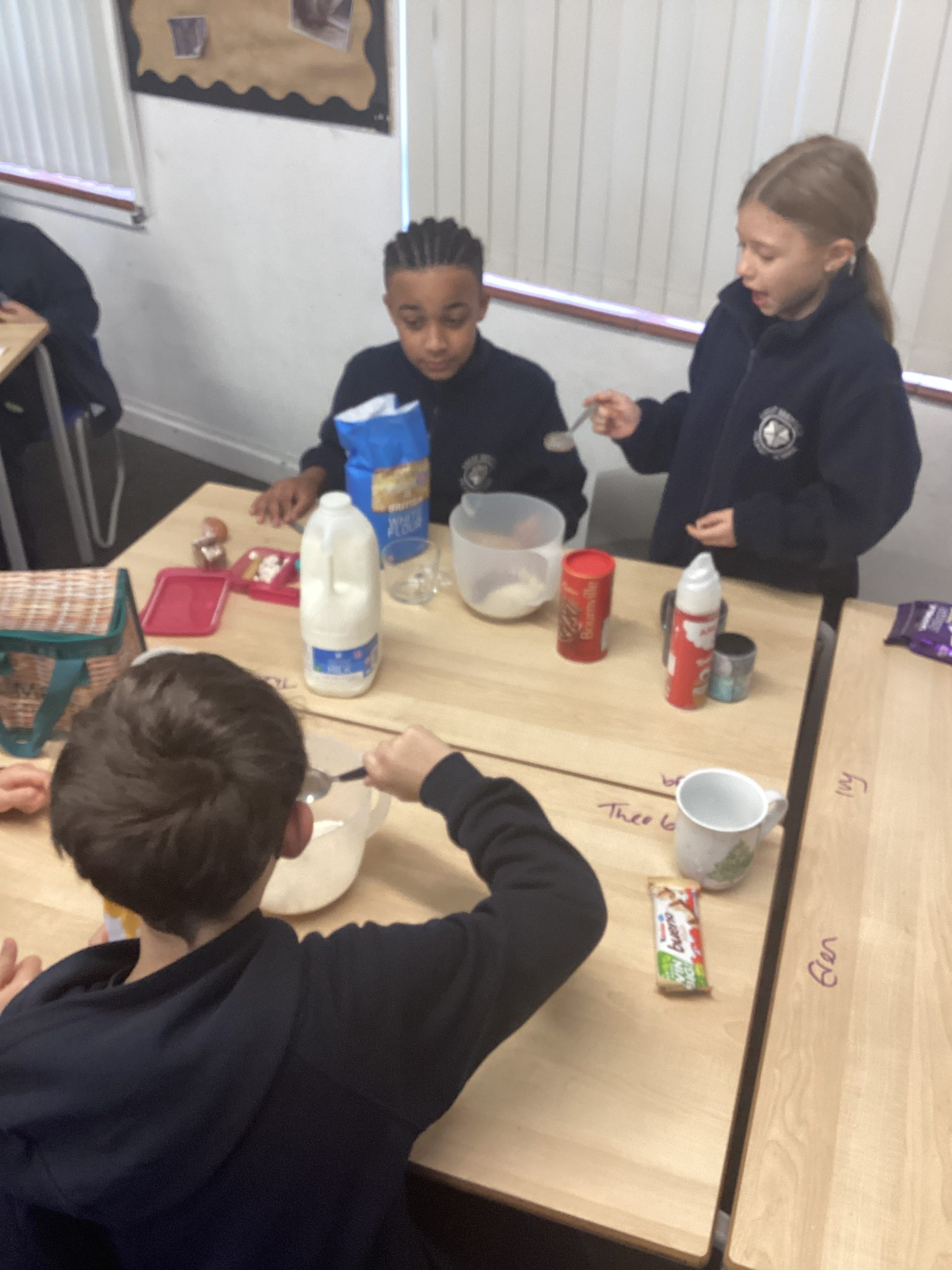
In Key Stages 1 and 2, lessons start with clear objectives and include short retrieval activities, with thinking, ideas, and reflections recorded in sketchbooks. Pupils develop skills across designing, making, evaluating, technical knowledge, and food technology, often linking their learning to real-life contexts and the work of designers, engineers, and architects.
Learning follows a structured sequence: LINK IT → RESEARCH IT → DESIGN IT → RESOURCE IT → MAKE IT → EVALUATE IT, ensuring that pupils build skills progressively and retain knowledge over time.
Learning in Practice
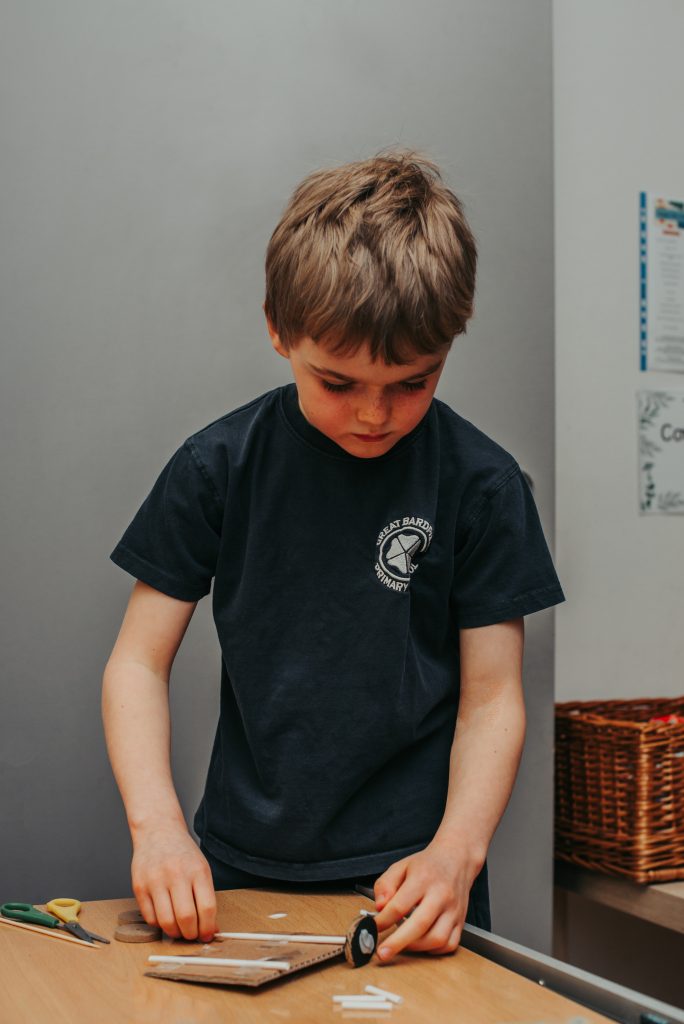
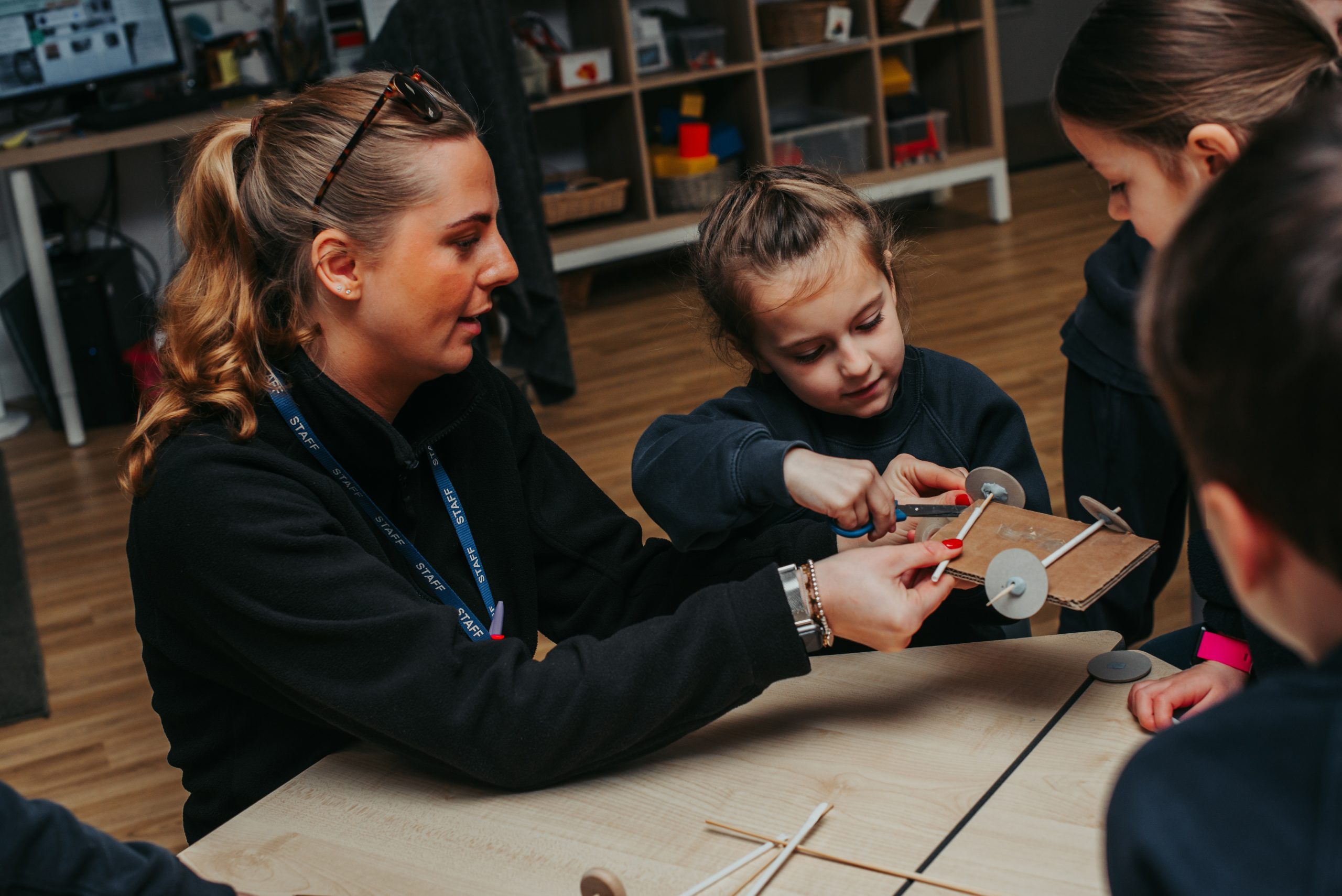
DT learning includes pupils who:
-
Explore and experiment with materials, tools and techniques
-
Use sketchbooks to plan, design, test and refine ideas
-
Reflect on outcomes and evaluate designs critically
-
Take pride in the process and finished product, showing confidence and independence
Teaching Quality
Teaching quality is monitored through sketchbook reviews, lesson visits, pupil voice and professional discussions. Curriculum leaders support staff by providing guidance, sharing effective practice, and identifying professional development opportunities, ensuring teaching is ambitious and effective for all pupils.
Impact
DT helps pupils develop creativity, problem-solving, confidence, and resilience. They learn to plan, design, make and evaluate solutions, express ideas visually, experiment with new approaches, and reflect critically on outcomes. Pupils also gain a broader understanding of engineering, design, and cultural influences, enriching their cultural capital.
Curriculum Links
DT naturally links with science, maths, history and art, giving pupils opportunities to make connections across subjects and apply their knowledge in real-world contexts.
Curriculum Information
GBPS Design & Technology Curriculum Map
D&T Long Term Overview EYFS/KS1
D&T Long Term Overview Lower KS2
D&T Long Term Overview Upper KS2
Design and Technology Disciplinary Knowledge Year 1
Design and Technology Disciplinary Knowledge Year 2
Design and Technology Disciplinary Knowledge Year 3
Design and Technology Disciplinary Knowledge Year 4
Design and Technology Disciplinary Knowledge Year 5
Examples of Work
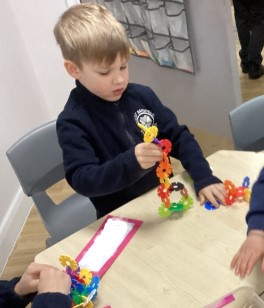
Expressive Arts and Design – Creating with Materials Year R
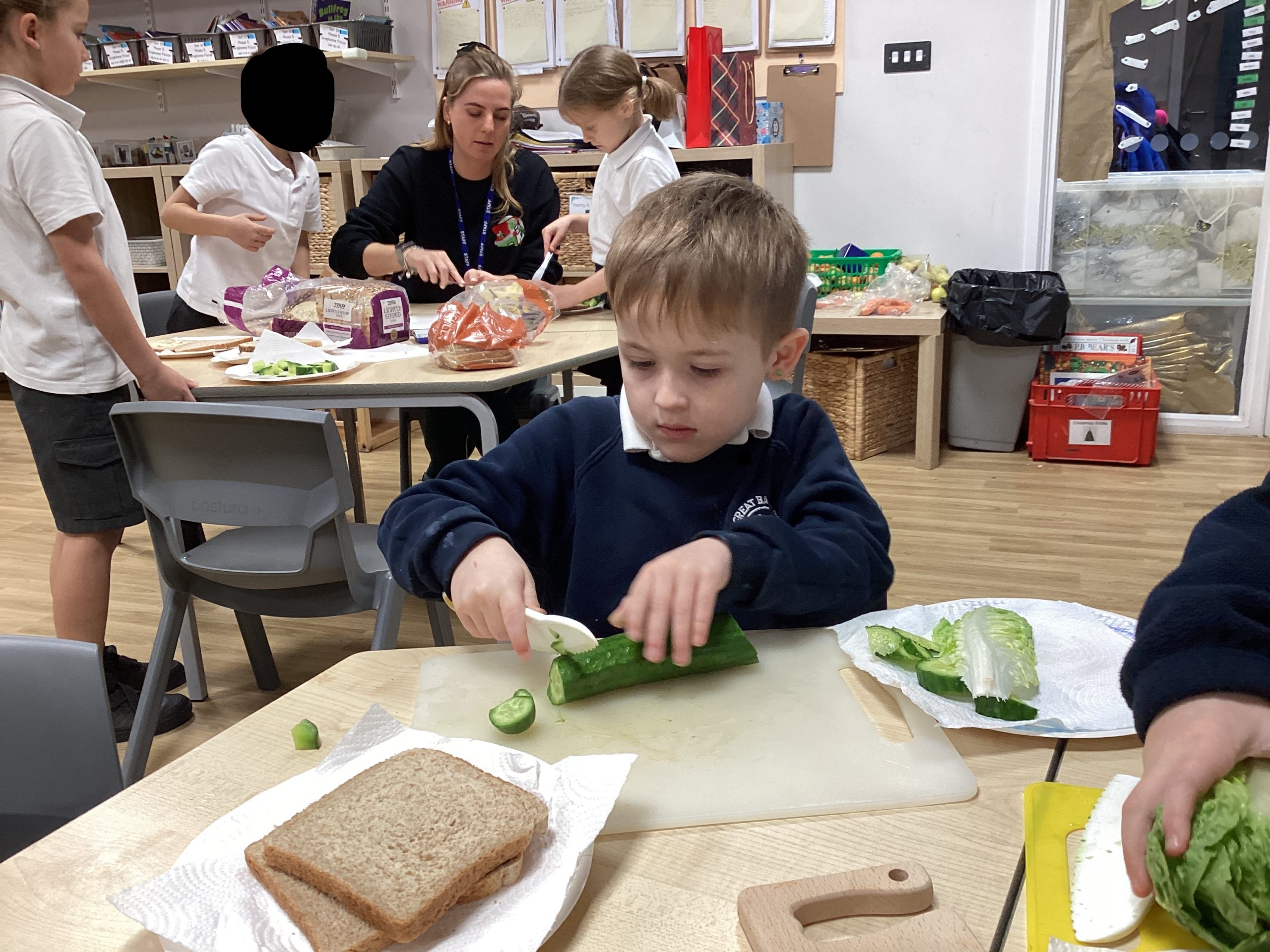
Design and Technology Year 1
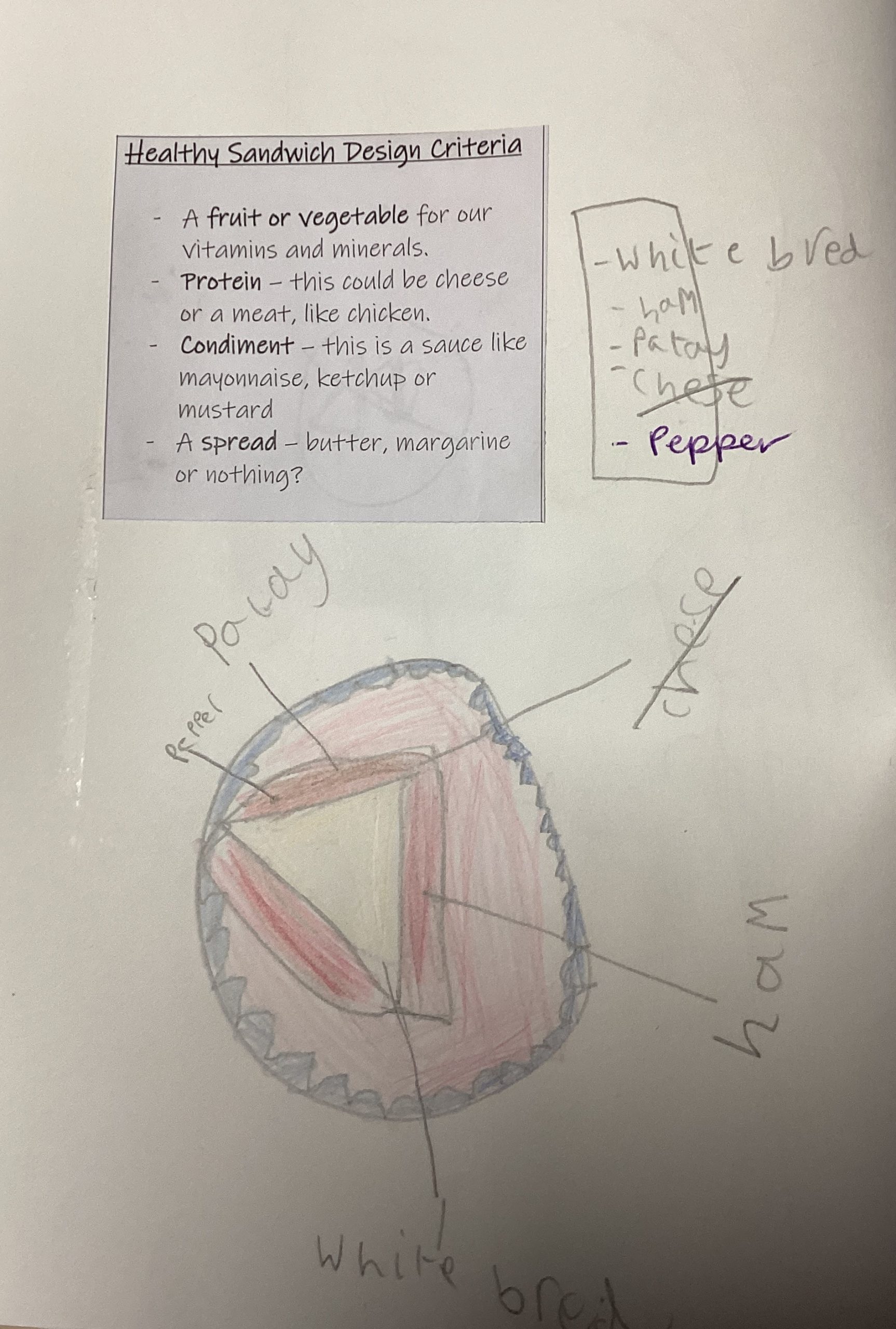
Design and Technology Year 2
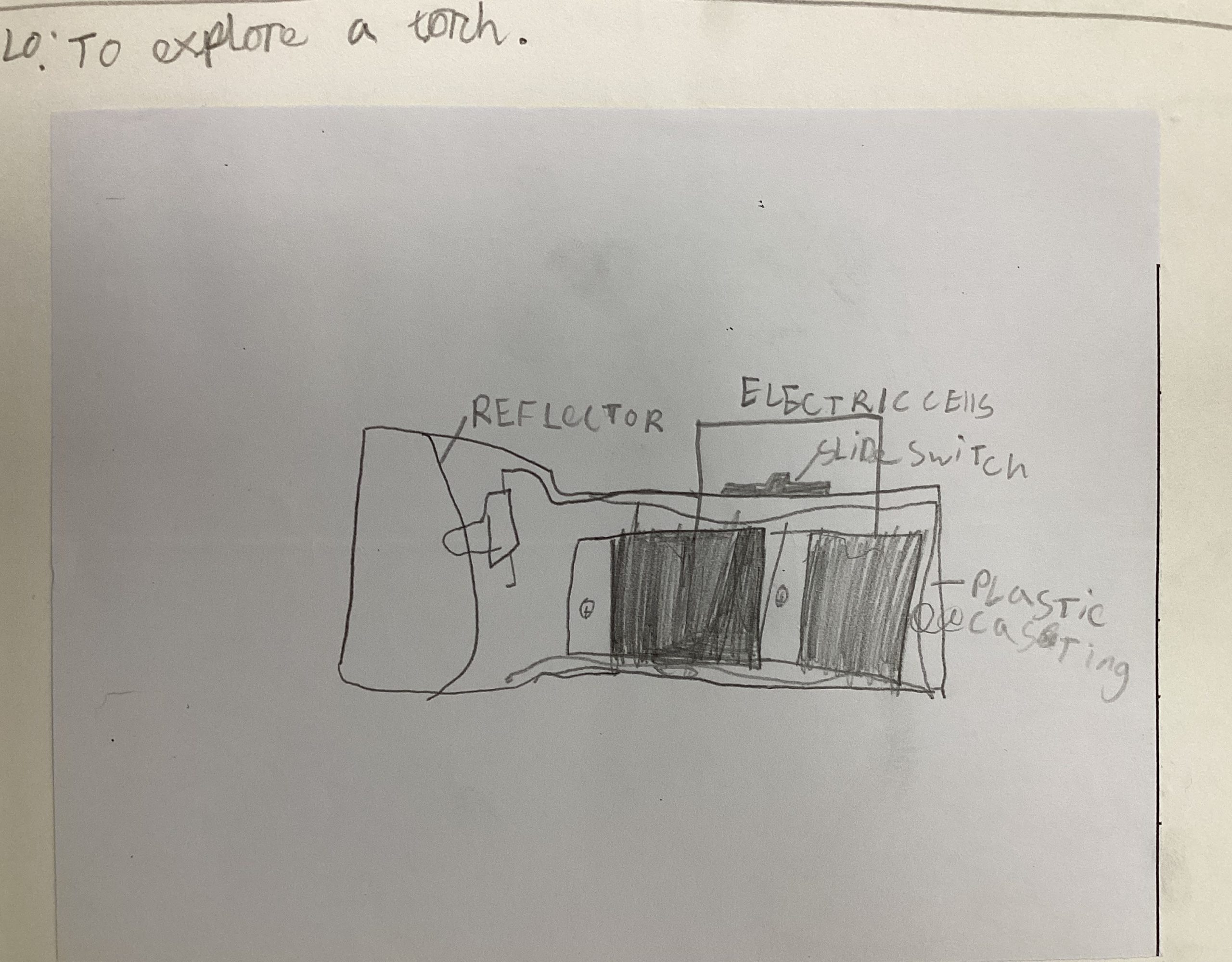
Design and Technology Year 3
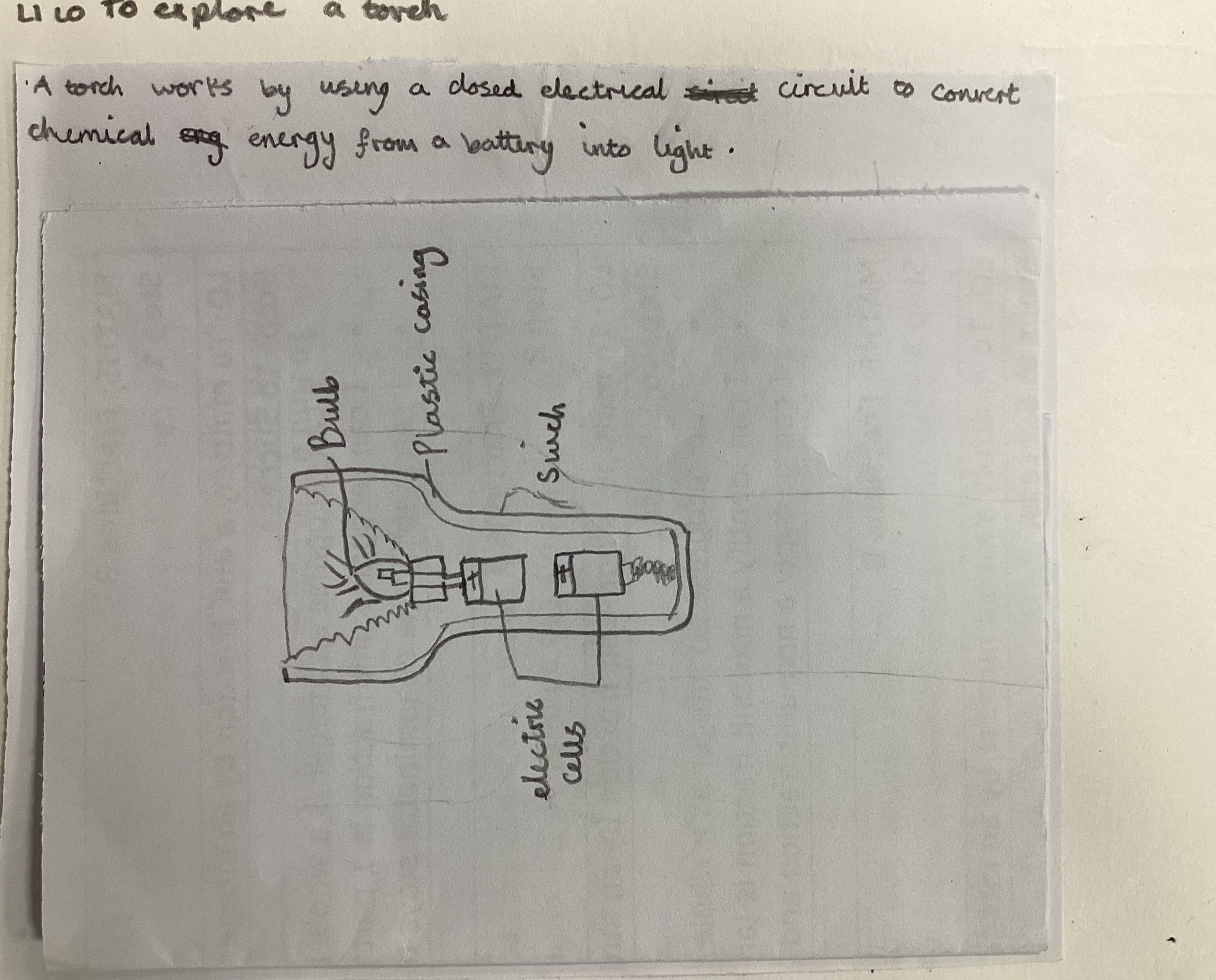
Design and Technology Year 4
Design and Technology Year 5