
Wellbeing of our Children
What is Wellbeing?
Wellbeing is about feeling good in your body and mind. It means being happy, healthy, and able to handle different feelings. Wellbeing isn’t just about always being happy—it also includes feeling safe, having good friends, and knowing how to deal with problems.
Everyone feels different emotions, and that’s okay! Sometimes we feel excited, and other times we might feel sad or worried. Having good wellbeing helps us understand our feelings and find ways to feel better when things are tough.
Wellbeing includes:
- Physical health – eating healthy food, getting enough sleep, and staying active.
- Mental health – feeling good about yourself, learning new things, and asking for help when you need it.
- Emotional health – knowing how to handle big feelings like anger or sadness.
- Social health – having good friends and being kind to others.
Parents, teachers, and friends can help support our wellbeing by listening, encouraging us, and teaching us ways to stay happy and healthy. We can also help ourselves by talking about our feelings, being active, and doing things we enjoy!
Curriculum
Wellbeing is an essential part of a child’s development and learning. At Great Bardfield Primary School, our curriculum focuses on helping children understand their emotions, build positive relationships, and develop healthy habits for both their body and mind. By teaching wellbeing, we give children the tools they need to manage challenges, express themselves confidently, and grow into happy, resilient individuals.
Incorporating wellbeing into daily learning helps children feel safe, valued, and supported in their school environment. Through activities like mindfulness, physical exercise, creative expression, and discussions about emotions, children can develop important life skills such as empathy, problem-solving, and self-care. By prioritising wellbeing in the curriculum, we create a foundation for lifelong happiness, health, and success.
As part of the Health and Wellbeing units in our PSHE curriculum, our children will learn:
- What is meant by a healthy lifestyle?
- How to make informed choices about mental and physical health and wellbeing, and where to get help with this.
- About self-care techniques.
- How to recognise and talk about different emotions.
- About internet safety and harms, including negative impacts on physical and mental health, cyberbullying and where to get help with issues online.
- About drugs, alcohol and tobacco and the associated risks.
- About illnesses, personal hygiene and vaccinations.
- How to look after our bodies in different ways, such as protecting our skin from the sun, getting enough sleep and taking care of our teeth.
- How to respond in an emergency and basic first aid.
All about the changing adolescent body, including physical and emotional changes, and menstrual wellbeing.
Physical Health
Exercise is an essential part of staying healthy in both mind and body for everyone, and especially for children. Exercise encourages a positive mood and is a brilliant way to release stress.
At Great Bardfield Primary School we ensure every child takes part in a minimum of two hours of Physical Education every week. In the Summer Term each child also has the opportunity to take part in two thirty-minute swimming lessons. At Great Bardfield Primary School, we have a large playground and a huge field to play and learn on. We are very lucky to have our very own swimming pool. We have our own OWLS (Outdoor Learning Woodland School) onsite and we get out and about tree climbing, bug hunting and den building as often as we can. Our teachers are always finding ways to include being out and around the local area to enhance our curriculum and we can often be found studying the river, sketching the historic buildings or visiting the village bookshop or museum.
At home you could get outside into the fresh air after a day of sitting, thinking and learning. Playing a sport or even just getting outside and playing can have a huge impact on wellbeing. As parents, being a good role model is important and showing your child how to take care of their wellbeing can make a big difference. This could mean joining in with outdoor activities, encouraging healthy habits, talking about feelings openly, and making time to relax together as a family.
Mental Health
At our school, we make sure every child feels happy, safe, and supported. We talk openly about feelings, so children know it’s okay to share their worries and ask for help. Our teachers and staff are always there to listen and give advice when needed.
We take part in engaging activities like mindfulness, breathing exercises, and movement breaks to help children feel calm and focused. We also encourage kindness and friendship, helping our children build strong relationships and support each other. By working with parents and creating a positive environment, we help children grow in confidence, manage their emotions, and feel good about themselves every day.
Emotional Health
At Great Bardfield Primary School, we help children understand and manage their emotions by creating a warm and caring environment where they feel safe to express themselves. We encourage children to talk about their feelings through circle time, storytelling, and daily check-ins with teachers. If they’re feeling upset or worried, there’s always someone ready to listen and help.
We teach simple strategies like deep breathing, mindfulness, and positive thinking to help them cope with big emotions. In EYFS and KS1 we use the Colour Monster stories and resources to help our children identify their emotions. In KS2, we use Zones of Regulation to encourage children to think about how they are feeling and the things that help them regulate themselves. By building confidence, resilience, and self-awareness, we help children feel happy, valued, and ready to take on the day
Young Carers
At Great Bardfield Primary School, we are committed to supporting young carers and their families. We understand that some children take on extra responsibilities at home to help care for a family member. These children, known as Young Carers, may help with everyday tasks, provide emotional support, or take on responsibilities beyond what is typical for their age. We make sure that Young Carers feel understood, valued, and supported, helping them balance school with their caring responsibilities.
Our Support
Mrs Crow is our Young Carers’ School Lead. She supports young carers and their families and can be contacted for advice and guidance on accessing support at school or through local services. Mrs Leslie is our Young Carers Mentor. She provides guidance, emotional support, and a safe space for young carers to talk, helping them manage their responsibilities alongside school life.
In school support includes:
- Drop-in sessions every Wednesday lunchtime with Mrs Leslie
- One-to-one conversations, emotional check-ins, or small group support
- Signposting to additional support services
What is a Young Carer?
A Young Carer is someone under 18 who helps look after a family member due to illness, disability, mental health issues, or other challenges. Support may include cooking, cleaning, helping with medication, looking after siblings, or providing emotional support.
Being a Young Carer can sometimes affect friendships, homework, and wellbeing. We aim to ensure that all young carers feel supported, included, and able to thrive at school.
Working with External Services
We work closely with the Essex Young Carers Service, offering key worker support, wellbeing activities, and opportunities for young carers to meet peers in similar situations. Families can also request a Young Carer’s Assessment through Essex County Council to access further support.
Useful Links
- Essex County Council – Young Carers Support: https://www.essex.gov.uk/young-carers
- Essex Young Carers Service: https://youth.essex.gov.uk/for-schools-professionals/young-carers-services/
Internet Safety
At Great Bardfield Primary School, we know that using the internet is an important part of learning. It helps children discover new things, develop skills, and achieve their best. Because online services are used every day in school, we have strong safety measures in place to protect both pupils and staff.
There are different risks when going online, and we teach children how to stay safe in four key areas:
Content – Making sure children aren’t exposed to things that are inappropriate or harmful, like fake news, upsetting images, or extreme views.
Contact – Helping children understand who they are talking to online and how to spot dangers, such as strangers pretending to be someone they’re not.
Conduct – Encouraging responsible online behaviour, such as being kind to others, avoiding cyberbullying, and understanding the risks of sharing personal information.
Commerce – Teaching children to be aware of online scams, adverts, and tricks that try to take money or personal details.
We take online safety seriously and have clear rules and protections in place to help keep children safe while using the internet at school. We also encourage parents to talk to their children about staying safe online at home, so we can work together to create a safe and positive online experience for all. More information can be found in our Online Safety Policy.
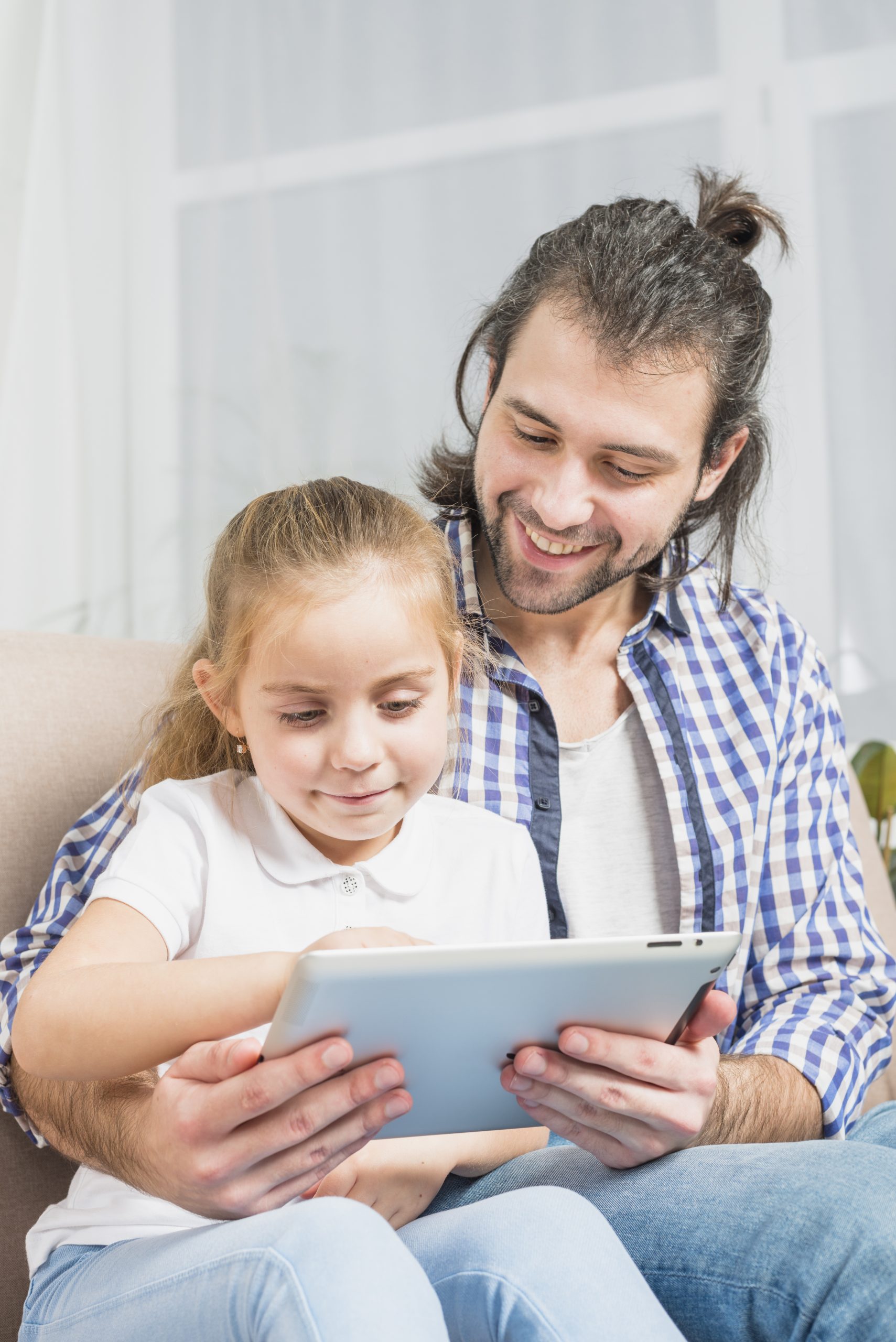
At home, parents play a vital role in keeping children safe online and these are some helpful tips to aid their protection:
- Check search history and accounts – this will allow you to see if there have been any harmful anomalies in your child’s internet usage.
- Set parental limits and boundaries – this will let you set the parameters for how and when your child goes online, bringing it within your control.
- Use child-friendly search engines such as Kids-Search and Kiddle. They will help you monitor what your child searches.
- Keep personal information and passwords secure – teach them to not reveal their password to anyone except you.
- Talk openly with your child about their online activity – this way you can help them to develop an understanding of sensible online behaviour that’ll guide their future internet conduct, rather than relying solely on imposing rules without explanation
- Keep screens and devices where you can see them – as well as being able to check in on what your child is doing online, it’ll help you to keep track of screen time!
- Be ‘share aware’ to protect your privacy – Encourage your children to ask themselves before posting anything if the information or photo is something they would give a stranger. If the answer is no, don’t post it.
Teach your children to keep their location private – lots of apps, networks and devices have geotagging features which make your whereabouts public and can lead someone directly to you. These features should be turned off for obvious privacy and safety reasons
Social Health
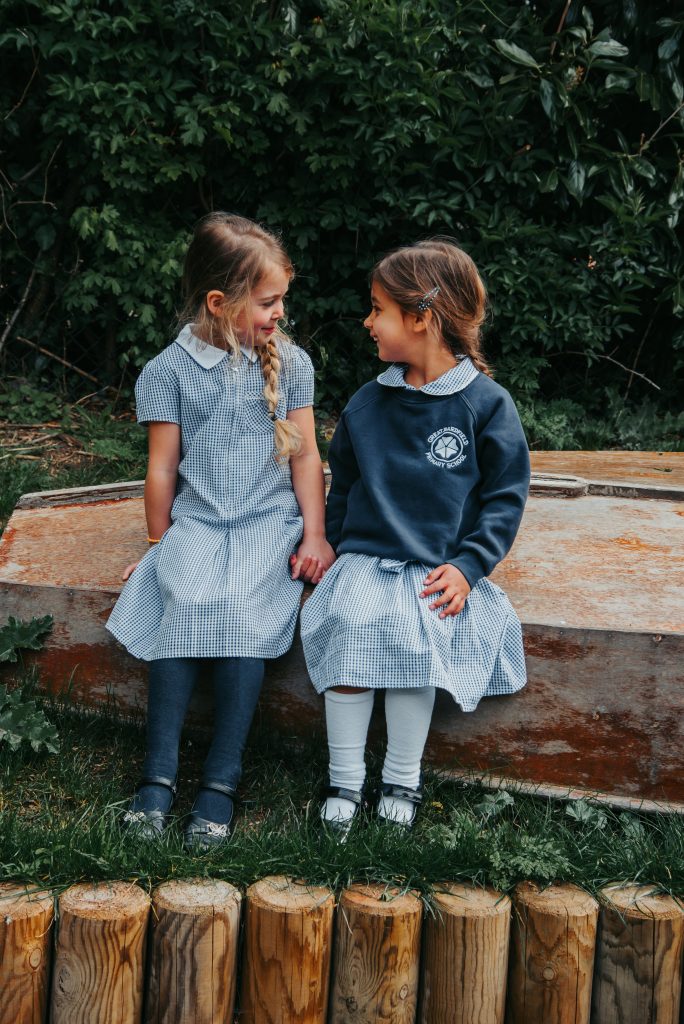
At our school, we help children make friends and get along with others by creating a friendly and welcoming environment. We encourage teamwork, kindness, and respect through group activities, buddy systems, and games. Playtime is a big part of social health, so we make sure there are plenty of chances for children to play, chat, and build friendships.
Our Year 5 children are our Play Leaders and look out for everyone on the playground, help set up games and look after our play equipment. We also help our children learn how to solve problems, share, and work things out if they have a disagreement. By making sure everyone feels included and valued, we help children grow in confidence and enjoy being part of a happy school community